









The United States Department of Justice has released an initial batch of long-awaited documents linked to disgraced financier Jeffrey Epstein, reigniting global debate over power, accountability, and transparency.
The release follows a congressional law requiring the DOJ to make the Epstein files public. However, the rollout has already triggered backlash from both Democrats and Republicans, after officials confirmed that not all documents would be released by the deadline, and many of those published were heavily redacted.
The files include photographs, court filings, FBI reports, and investigative material, though officials say hundreds of thousands of pages are still under review.
A Key Caveat
Being named, mentioned, or photographed in the Epstein files does not imply criminal wrongdoing. Many individuals referenced have denied any involvement in Epstein’s crimes, and several are not accused of misconduct in any legal filing.
High-Profile Names in the Initial Release
The first tranche features a wide range of public figures from politics, entertainment, and royalty:
- Former U.S. President Bill Clinton
- Prince Andrew (Andrew Mountbatten-Windsor)
- Michael Jackson
- Mick Jagger
- Diana Ross
- Chris Tucker
The presence of these figures has drawn intense scrutiny, though the DOJ has provided little context for when or why many of the images were taken.
Bill Clinton: Photos Without Allegations
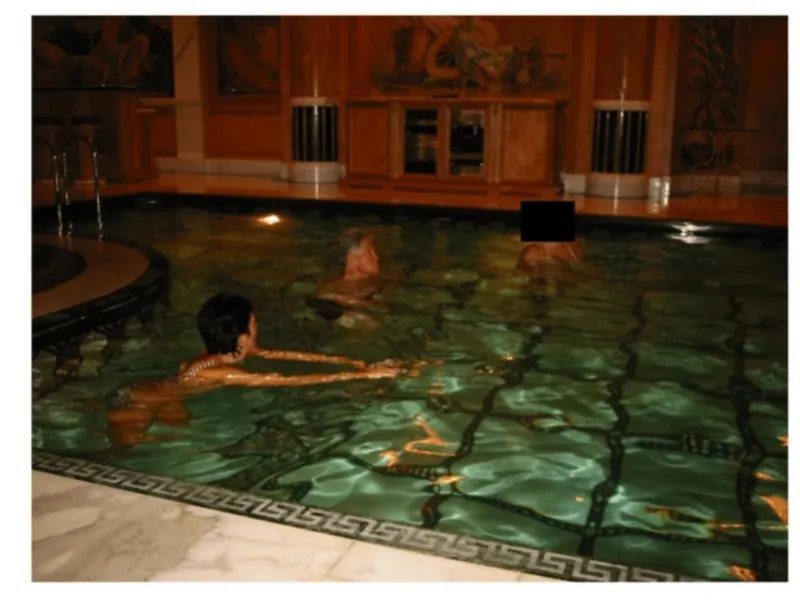
Several photos show Bill Clinton in relaxed social settings, including a swimming pool and a hot tub, taken decades ago. Clinton was known to have crossed paths with Epstein in the 1990s and early 2000s, before Epstein’s first arrest.
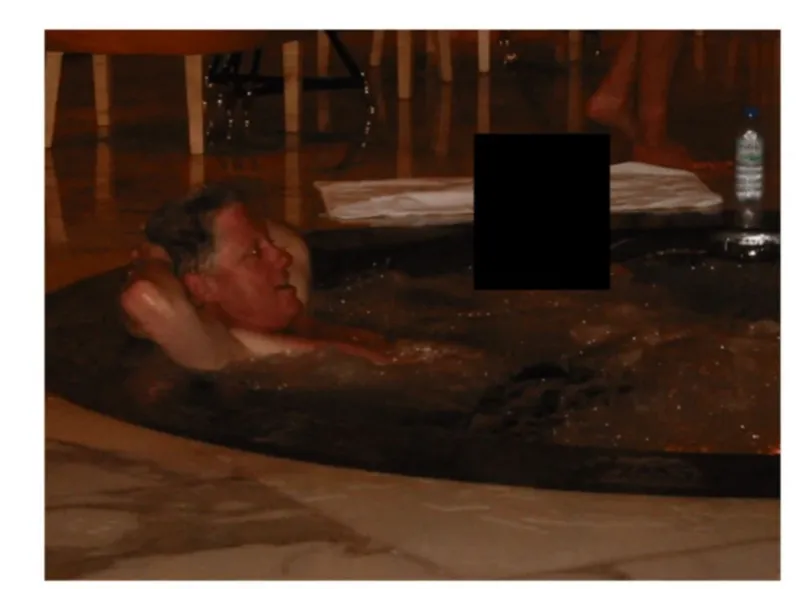
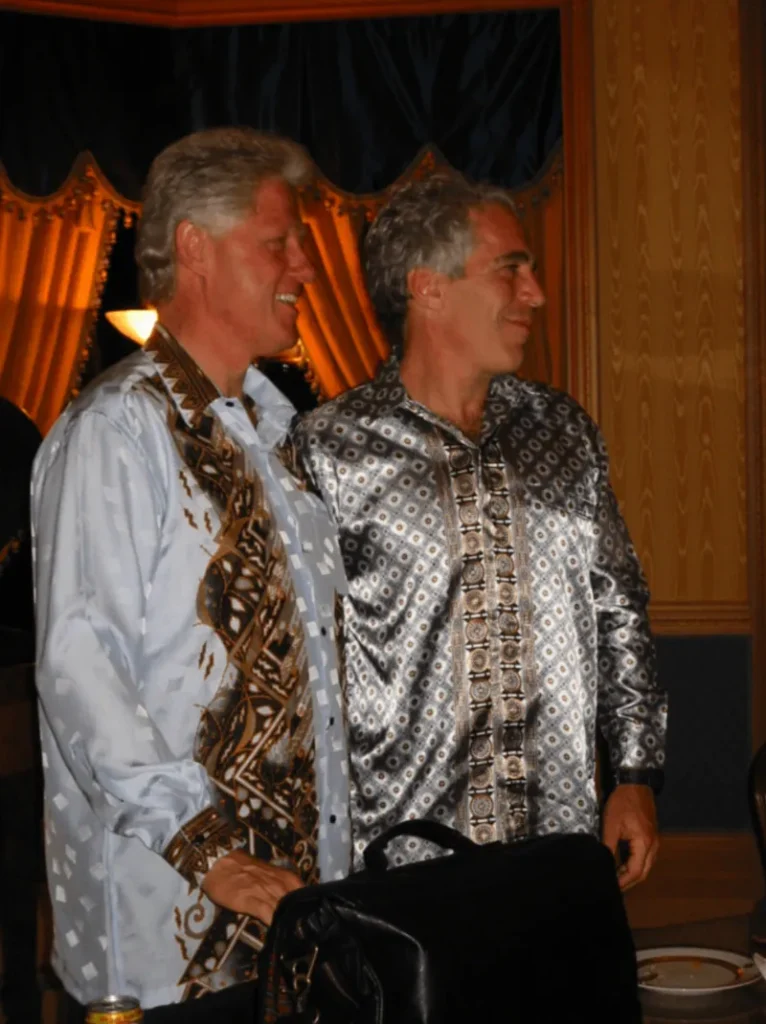
Importantly, no Epstein survivor has accused Clinton of wrongdoing, and he has repeatedly denied knowledge of Epstein’s criminal activity.
His spokesperson dismissed the renewed attention, arguing that the focus should remain on those who maintained ties with Epstein after his crimes became public.
Donald Trump: Brief Mentions, No Accusations
The files also reference former President Donald Trump, including a court document describing an alleged interaction at Mar-a-Lago in the 1990s involving Epstein and a minor.
The filing does not accuse Trump of abuse, and the accuser makes no claims against him. Trump has denied wrongdoing and previously stated he cut ties with Epstein years before Epstein’s arrest.
The White House framed the document release as evidence of transparency, while Trump-aligned accounts redirected attention toward Clinton.
Prince Andrew and Long-Standing Scrutiny
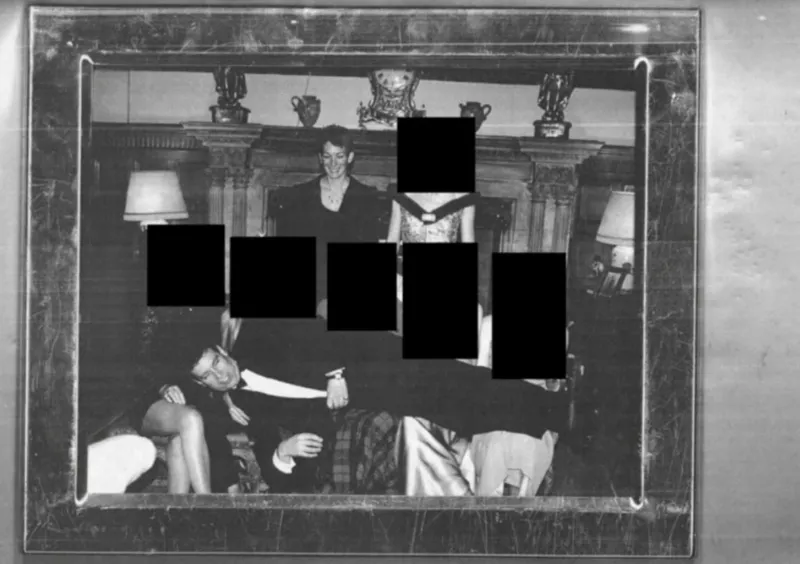
A released photograph appears to show Prince Andrew reclining across several individuals, with Ghislaine Maxwell standing nearby. Epstein himself does not appear in the image.
Prince Andrew has consistently denied any misconduct and says he never witnessed behavior that suggested Epstein’s criminal activity. His association with Epstein, however, has remained one of the most controversial aspects of the scandal.
Celebrities, Photos, and Unclear Context
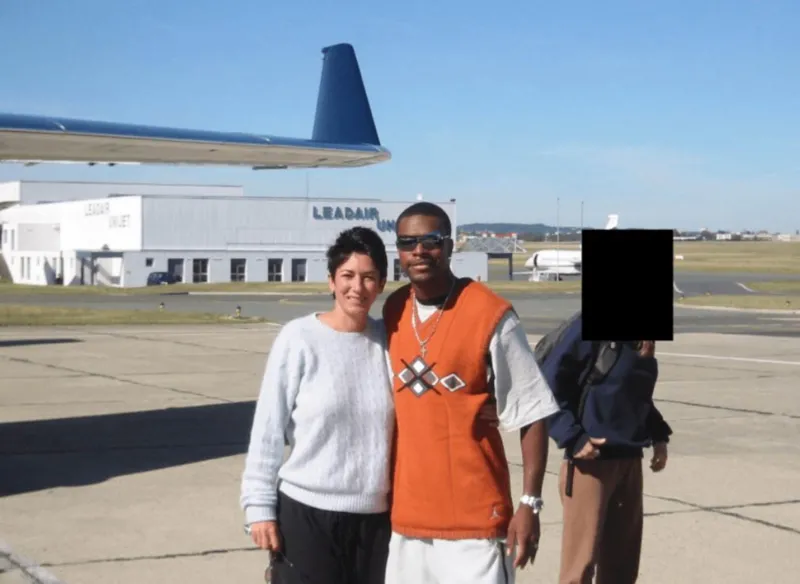
The documents include images of Epstein with major entertainment figures, including Michael Jackson, Mick Jagger, Diana Ross, and Chris Tucker.
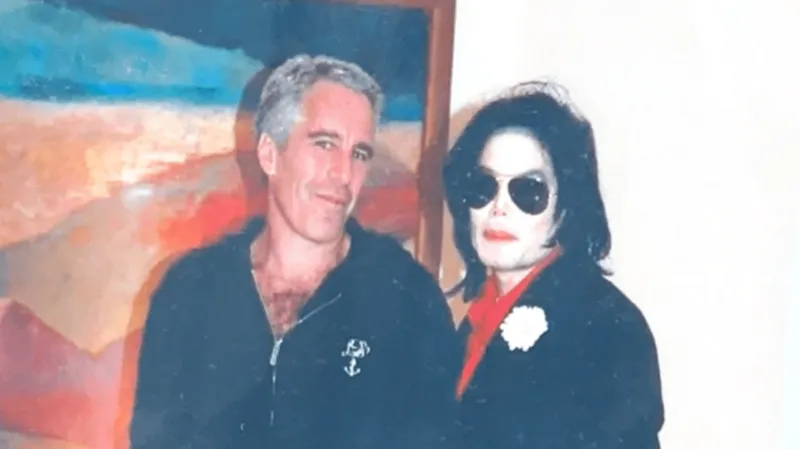
In several cases:
- The location and date of the photos are unknown
- It is unclear whether Epstein attended the events or merely collected the images
- Past releases have shown Epstein possessed photos from events he did not attend
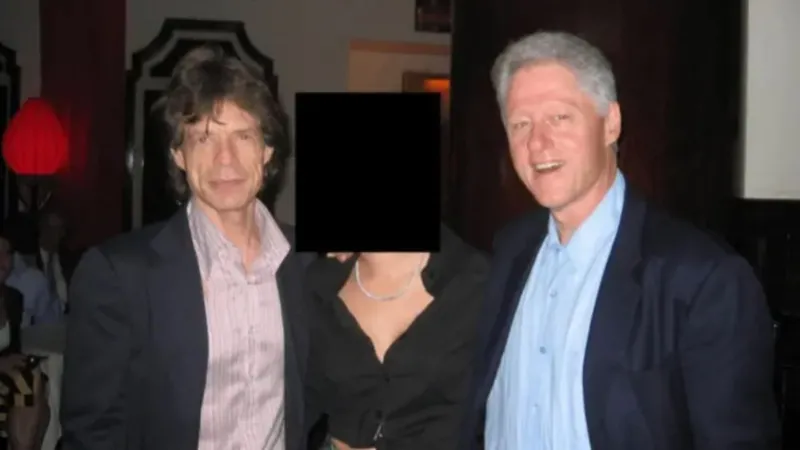
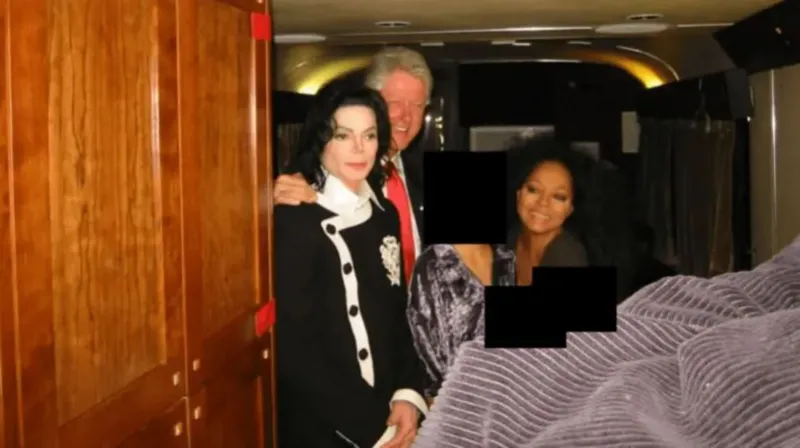
Representatives for some of the celebrities have been contacted for comment.
Ghislaine Maxwell at Downing Street
One image shows Ghislaine Maxwell, Epstein’s convicted associate, standing alone outside 10 Downing Street in London.
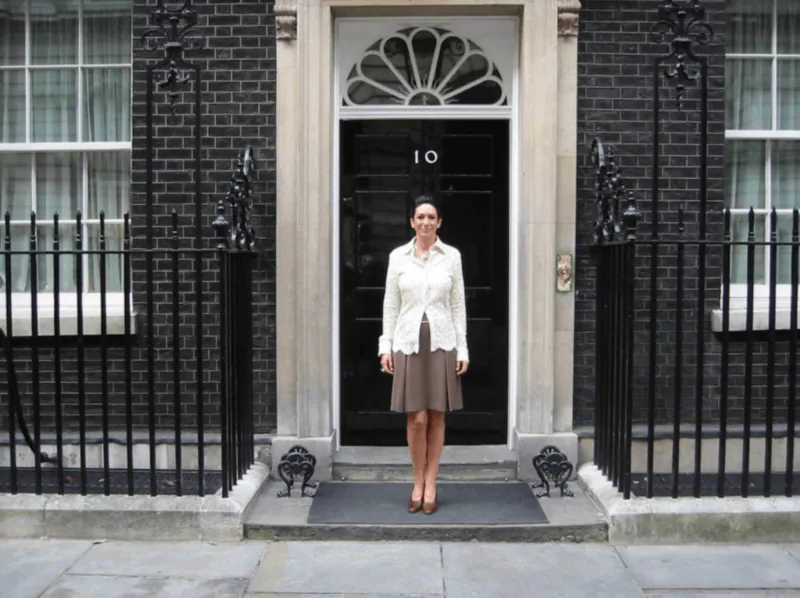
The DOJ provided no explanation for why she was there, when the photo was taken, or which British government was in power at the time.
Victim Testimony: A Chilling Account
Among the most disturbing documents is an FBI report from 1996, tied to artist Maria Farmer, one of the earliest people to report Epstein.
She alleged that Epstein:
- Possessed and distributed illicit photos of her underage sisters
- Threatened to burn down her home if she spoke out
- Asked her to recruit and photograph young girls
Though her name was redacted, Farmer later confirmed the account was hers, saying the document release brought a sense of long-delayed validation.
Redactions, Delays, and Political Fallout
Despite the volume of material released, more than 550 pages were entirely blacked out, including documents tied to a grand jury investigation.

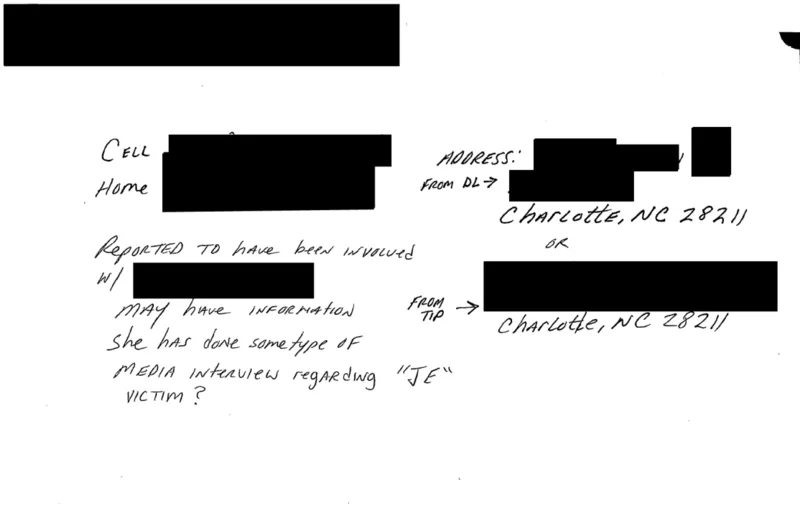
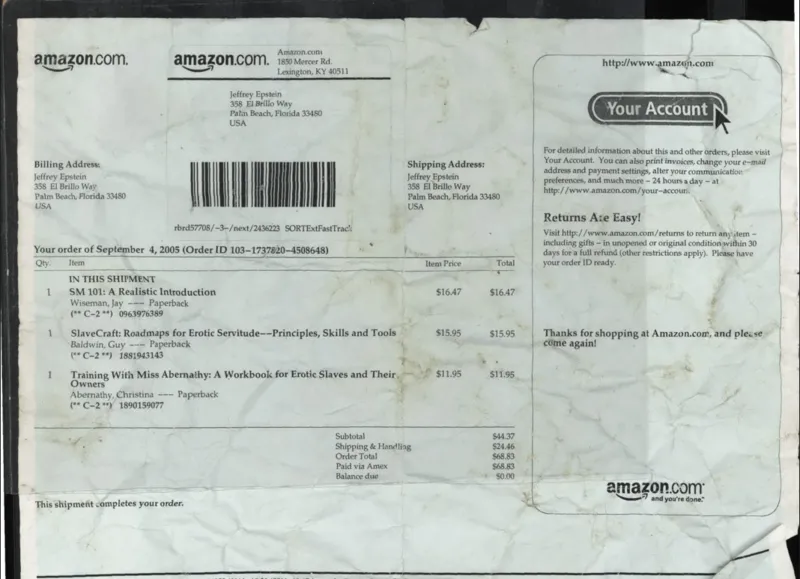
While redactions are legally permitted to protect victims or ongoing cases, the DOJ has not yet explained many of them, drawing criticism from lawmakers.
Deputy Attorney General Todd Blanche said the department is still reviewing hundreds of thousands more pages, arguing that protecting victims’ identities requires time.
That explanation has not satisfied Congress.
Lawmakers from both parties have accused the DOJ of failing to comply with the law, with some threatening impeachment proceedings or legal action if delays continue.
The Bigger Picture
The Epstein files were never expected to deliver a single explosive revelation. Instead, they expose something more unsettling:
how deeply Epstein’s social orbit overlapped with global power — and how slowly institutions have moved to confront it.
For now, the public has only seen a fraction of the full record. What remains sealed may ultimately shape how history judges not just Epstein, but the systems that enabled him for so long.