











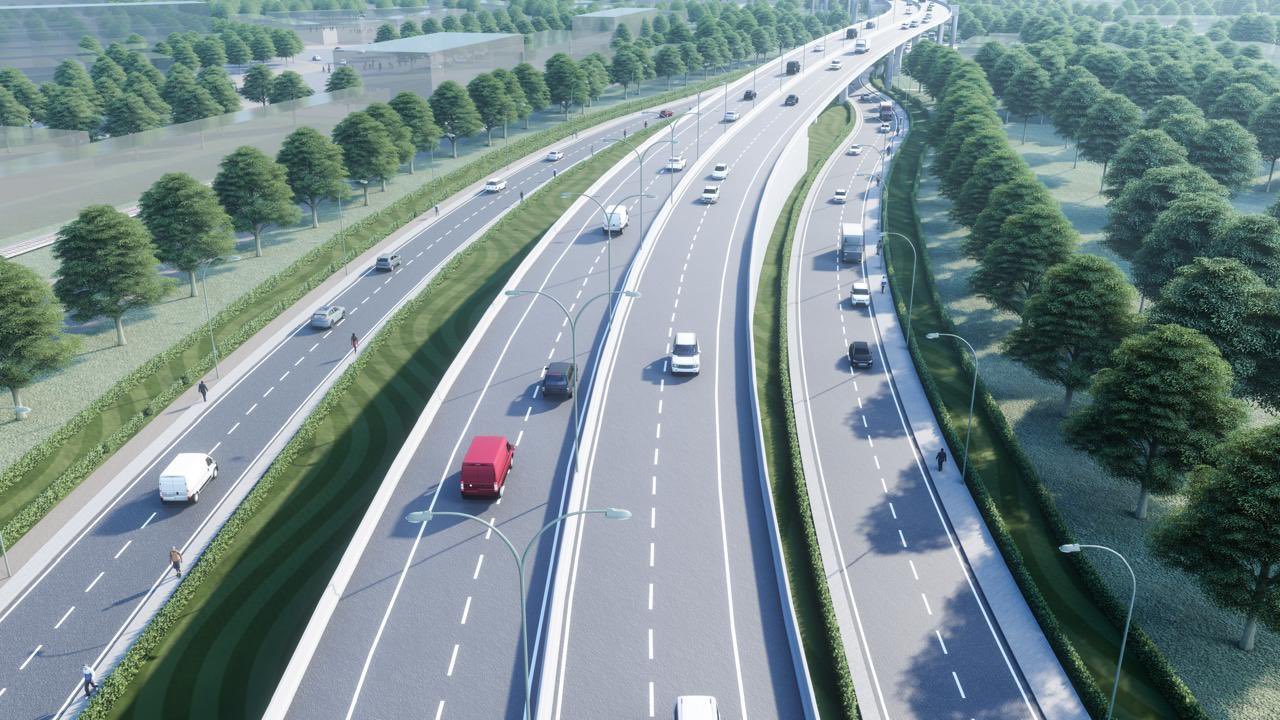
NAIROBI – Kenya has commenced full-scale construction of the multi-billion shilling Rironi–Mau Summit Highway, a transformative 233-kilometre infrastructure project designed to unlock faster travel, enhance road safety, and solidify the country’s position as the premier trade gateway to East Africa.
A Two-Year Dash for a Decades-Old Solution
Launched by President William Ruto in November 2025, the ambitious corridor is on a fast-track schedule for completion by mid-2027. To meet this aggressive timeline, the government has employed a unique dual-contractor model, splitting the project between two major Chinese firms: China Road and Bridge Corporation and Shandong Hi-Speed Road and Bridge International.
“From February, we will be having 12 gangs from both concessionaires to ensure that we deliver the road by April or May 2027,” said Roads and Transport Cabinet Secretary Davis Chirchir, referring to the organized teams that will work simultaneously on multiple sections.
Officials explained that dividing the massive project, valued at approximately USD 1.4 billion (Sh184 billion), was a strategic move to avoid bureaucratic delays associated with single-contractor approvals for billion-dollar portfolios.
Engineering a Smoother Flow from Nairobi to the West
The highway’s design is tailored to address notorious congestion points. It will begin as a four-lane dual carriageway from Rironi to Naivasha, expand to six lanes on each side from Naivasha to Nakuru to handle heavy volumes, and feature an elevated section through Nakuru town to bypass urban gridlock. From Nakuru to Mau Summit, it will return to a four-lane design.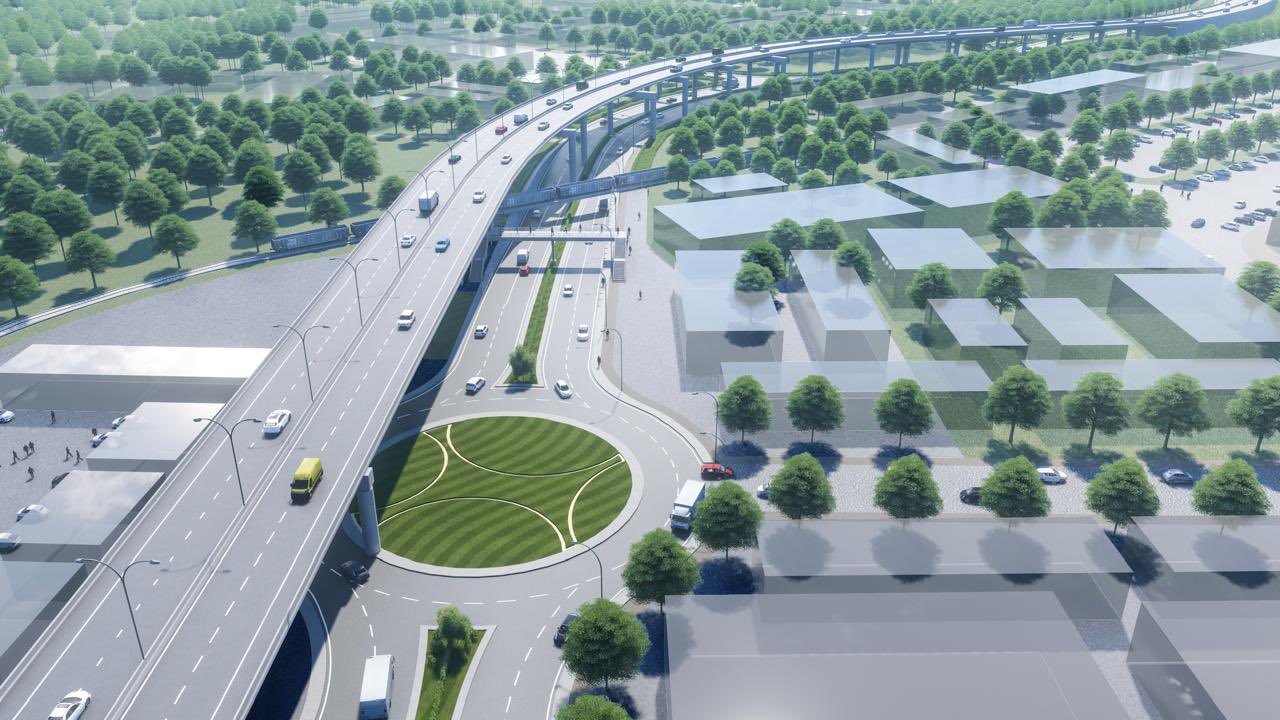
Authorities acknowledge the construction will cause temporary disruptions but ask for public patience. “We are going to be courteous to ensure that contractors do provide alternative routes when a road is closed,” CS Chirchir assured.
A Tolled Corridor for Regional Competitiveness
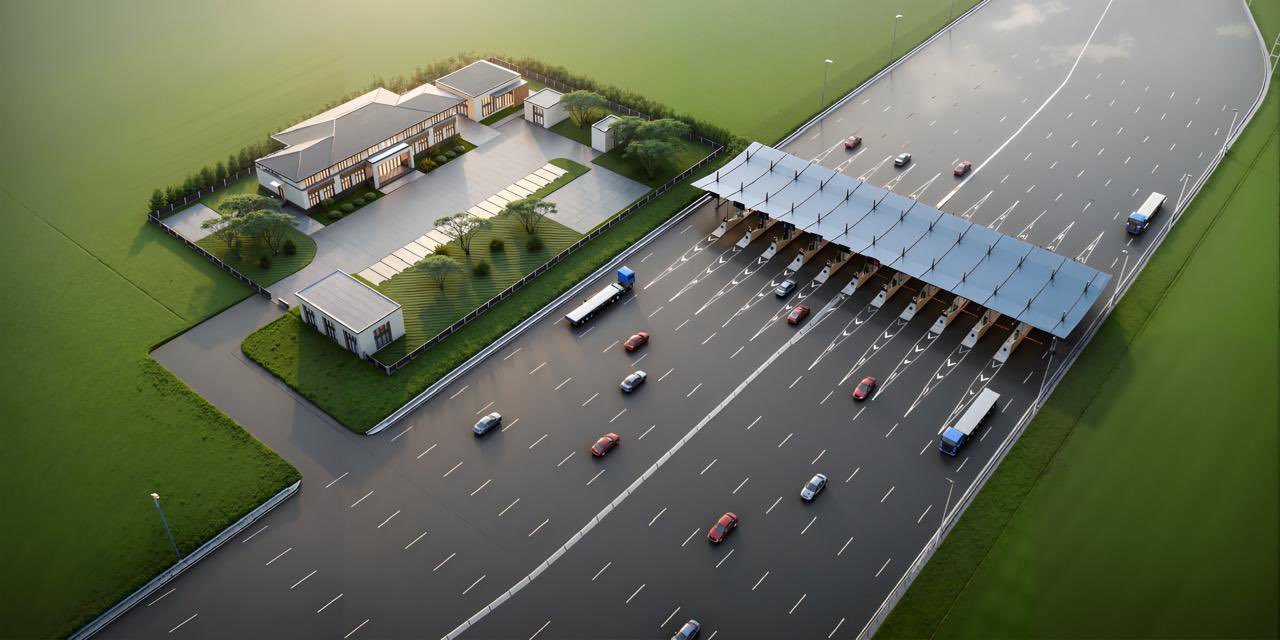
Upon completion, the two concessionaires will operate the highway as a toll road for 28 years to recoup their investment before handing it over to the state. Preliminary estimates suggest a toll of roughly Sh8 per kilometre for small vehicles, making a full journey from Rironi to Mau Summit cost about Sh1,400.
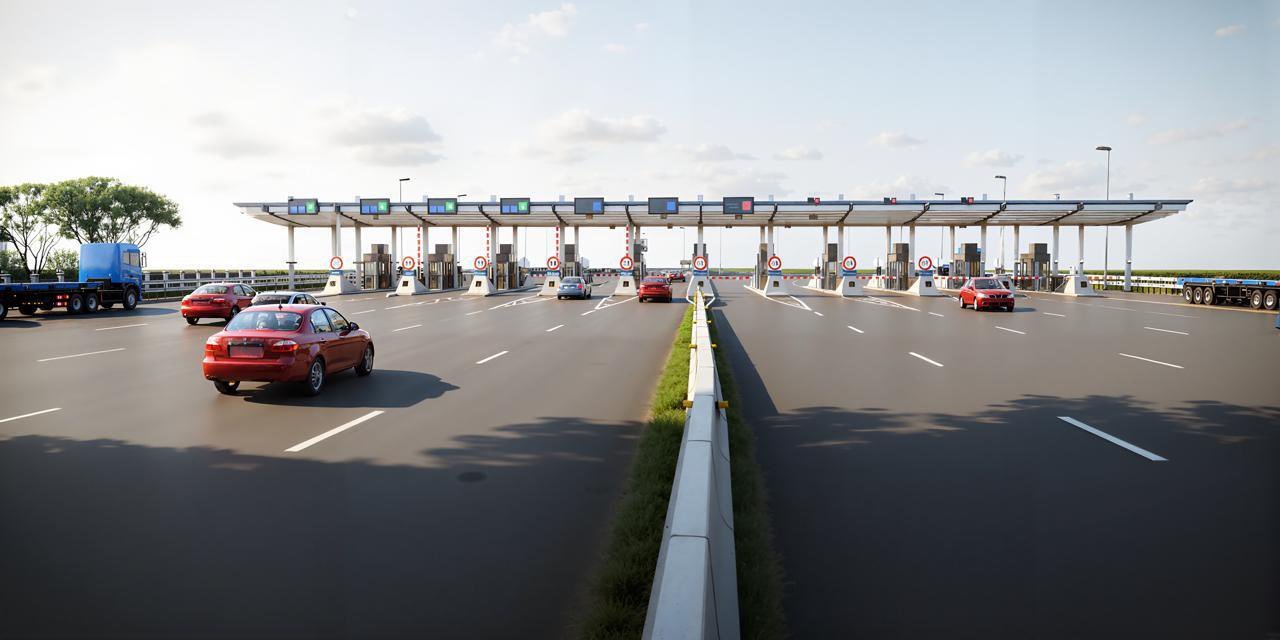
The road is a critical link in the Northern Corridor, the primary trade artery connecting the Port of Mombasa to landlocked neighbours like Uganda, Rwanda, and the Democratic Republic of Congo. Its improvement is seen as vital for Kenya’s economic defence.
“It’s really upon us to ensure that we do not give in to competition… if our competitors have got easier access to the market, easier movement because of good infrastructure, they definitely take that competitive advantage out of Kenya,” Minister Chirchir emphasized.
Integrating into a Broader Network
The Rironi–Mau Summit project is not standalone. Complementary upgrades are already underway, including the expansion of the Westlands–Rironi road to six lanes, which is 82% complete. Additionally, recently completed alternative routes like the Ngong–Suswa road will provide drivers with options during peak periods and construction phases.
This project marks a renewed push for infrastructure-led growth, coming after the termination of a previous agreement with a French-led consortium. The new contract was solidified during President Ruto’s state visit to Beijing in April 2025.