











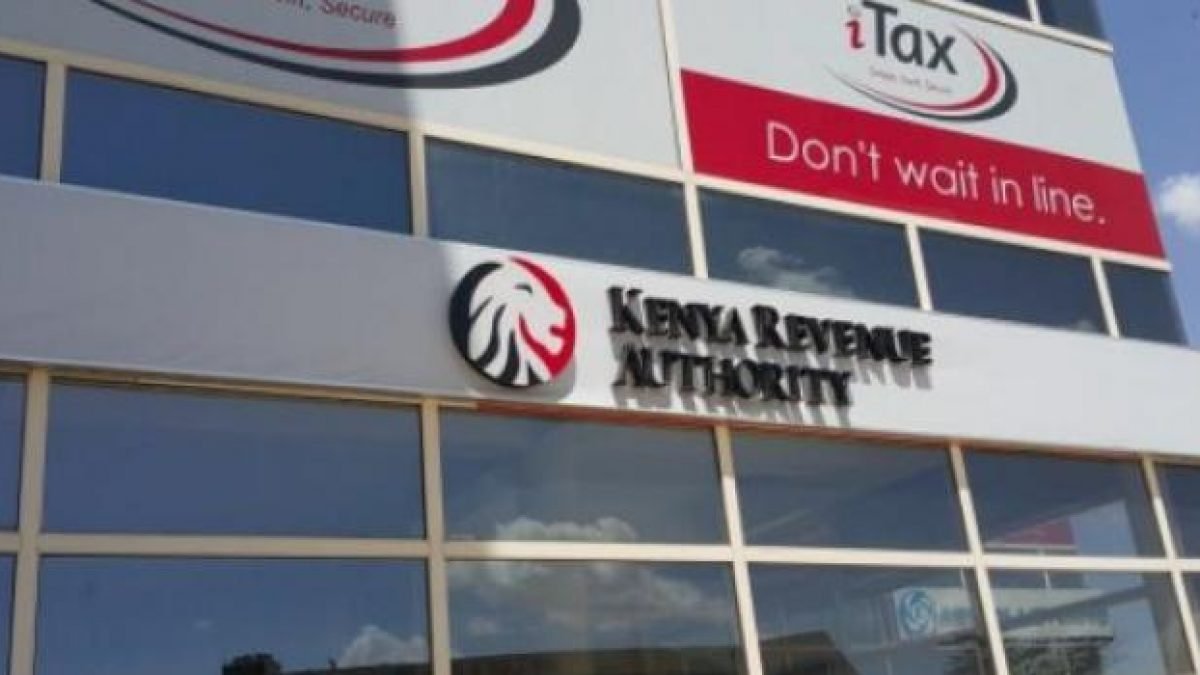
NAIROBI – The National Treasury has set an ambitious revenue target of Sh2.9 trillion for the Kenya Revenue Authority (KRA) to collect in the 2026/27 financial year. This goal, part of plans to fund a Sh4.64 trillion budget, comes despite KRA facing a significant shortfall in the current year and taxpayers grappling with economic strain.
The Numbers: Ambitious Targets and a Widening Gap
According to the Treasury’s draft Budget Policy Statement (BPS), total government revenue for 2026/27 is projected at Sh3.487 trillion. This includes the Sh2.9 trillion ordinary revenue target for KRA and Sh585.1 billion from Ministerial Appropriations-in-Aid (AIA).
“Total revenues, inclusive of Appropriation-in-Aid, are forecast at Sh3.487 trillion (16.7 per cent of GDP) in FY 2026-27… ordinary revenue is expected to reach Sh2.901 trillion (13.9 per cent of GDP),” the Treasury stated.
This leaves a substantial financing gap of approximately Sh1.1 trillion for the budget, which the government plans to meet largely through domestic borrowing. To hit the Sh2.9 trillion target, KRA would need to collect an average of Sh7.95 billion every day of the year.
Recent Performance and Economic Headwinds
The new target follows a record collection of Sh2.57 trillion in 2024/25. However, KRA’s performance for the 2025/26 cycle has been slow. By the end of October 2025, the authority had collected Sh942 billion against a target of Sh1.049 trillion, with ordinary revenue Sh107.7 billion below expectations.
The Treasury attributes the challenge to shrinking real wages, which slow income tax growth and reduce consumption, and the persistent difficulty of bringing Kenya’s large informal economy into the tax net. These factors contribute to a projected budget deficit widening to 5.3% of GDP in 2026/27.
Planned Reforms to Drive Collection
To bridge the gap, the Treasury plans to implement a series of tax policy and administrative reforms. These are centred on the National Tax Policy and Medium-Term Revenue Strategy, aiming to simplify tax laws, rationalise tax expenditures, and create a fairer system.
Administratively, the focus will be on deepening technology investment to modernise the tax framework and scaling up non-tax revenues. The overarching goal is to enhance compliance and move Kenya’s revenue collection toward 20% of GDP in the medium term.