









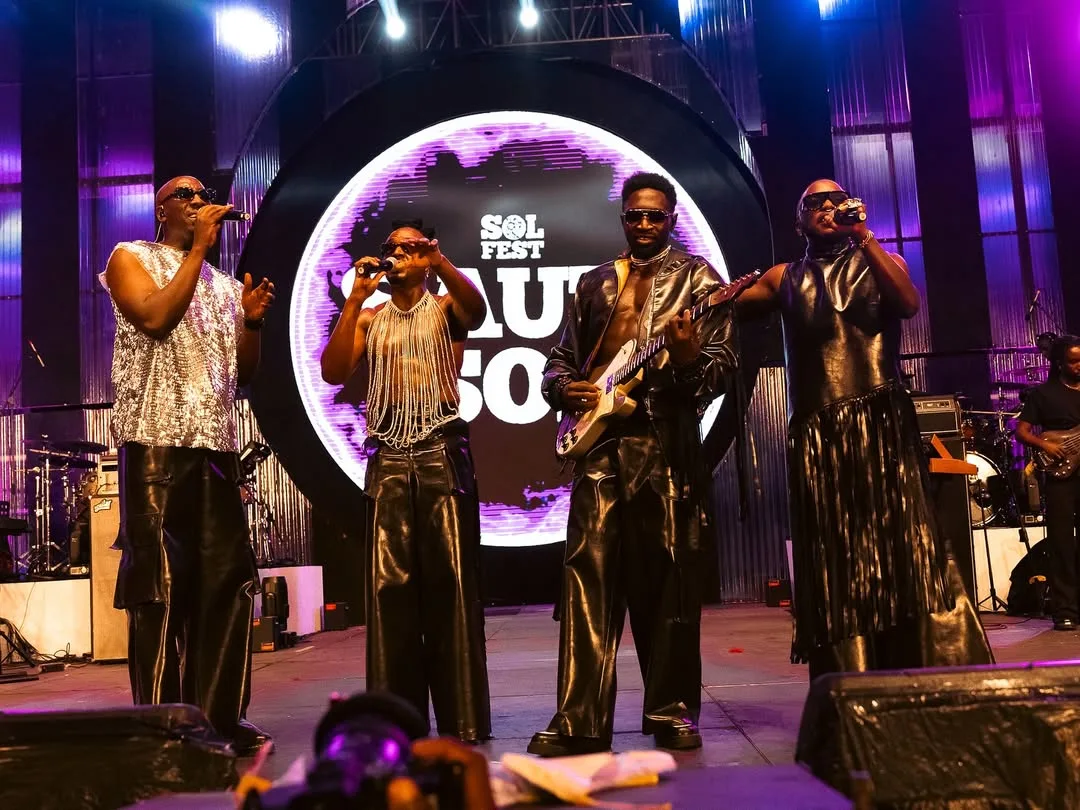
Sol Fest returned in full colour over the weekend, drawing hundreds of music lovers to Uhuru Gardens as the festival marked five years of celebrating Kenyan music and live performance.
Held over Friday and Saturday in Nairobi, the two-day event brought together multiple generations of artistes, reaffirming Sol Fest’s position as one of the country’s most anticipated annual music showcases.
A Festival Built on Generations
The 2025 edition was carefully structured around three core segments: classic Kenyan hits, Afro-pop performances backed by live bands, and sets by emerging artistes. The format created a fluid transition between nostalgia and contemporary sound, keeping audiences engaged across both days.
Moments That Defined the Night
One of the most emotional moments came when Sanaipei Tande and Jua Cali reunited on stage to perform Kwaheri, prompting a powerful sing-along that stood out as a crowd favourite.
Later, Nameless was joined by Habib, the brother of the late E-Sir, for a performance of Boomba Train. The tribute rekindled memories of the Ogopa Deejays era and honoured E-Sir’s enduring influence on Kenyan music, more than two decades after his untimely death in 2003.
Bridging Old and New
The generational handover continued when Lyrikali joined Nameless on stage, reflecting Sol Fest’s mission of connecting established legends with new voices shaping the industry.
Dancehall act Kabudaa Bazuu injected early energy with high-octane choreography, setting the tone for the night.
Later, Bien and Khaligraph Jones ignited the crowd with their collaboration Yes Bana, before Khaligraph delivered Mbona, reinforcing his stature within Kenya’s hip-hop scene.
Toxic Lyrikali closed one of the night’s most electric stretches, with fans chanting along to Backbencher as energy levels peaked across the venue.
A Festival with Purpose
Founded by Sauti Sol, Sol Fest was conceived as a platform to elevate African music to global audiences, following the group’s decision to pursue individual careers. Five years on, the festival continues to serve as a cultural bridge—honouring Kenya’s musical past while amplifying its future.