








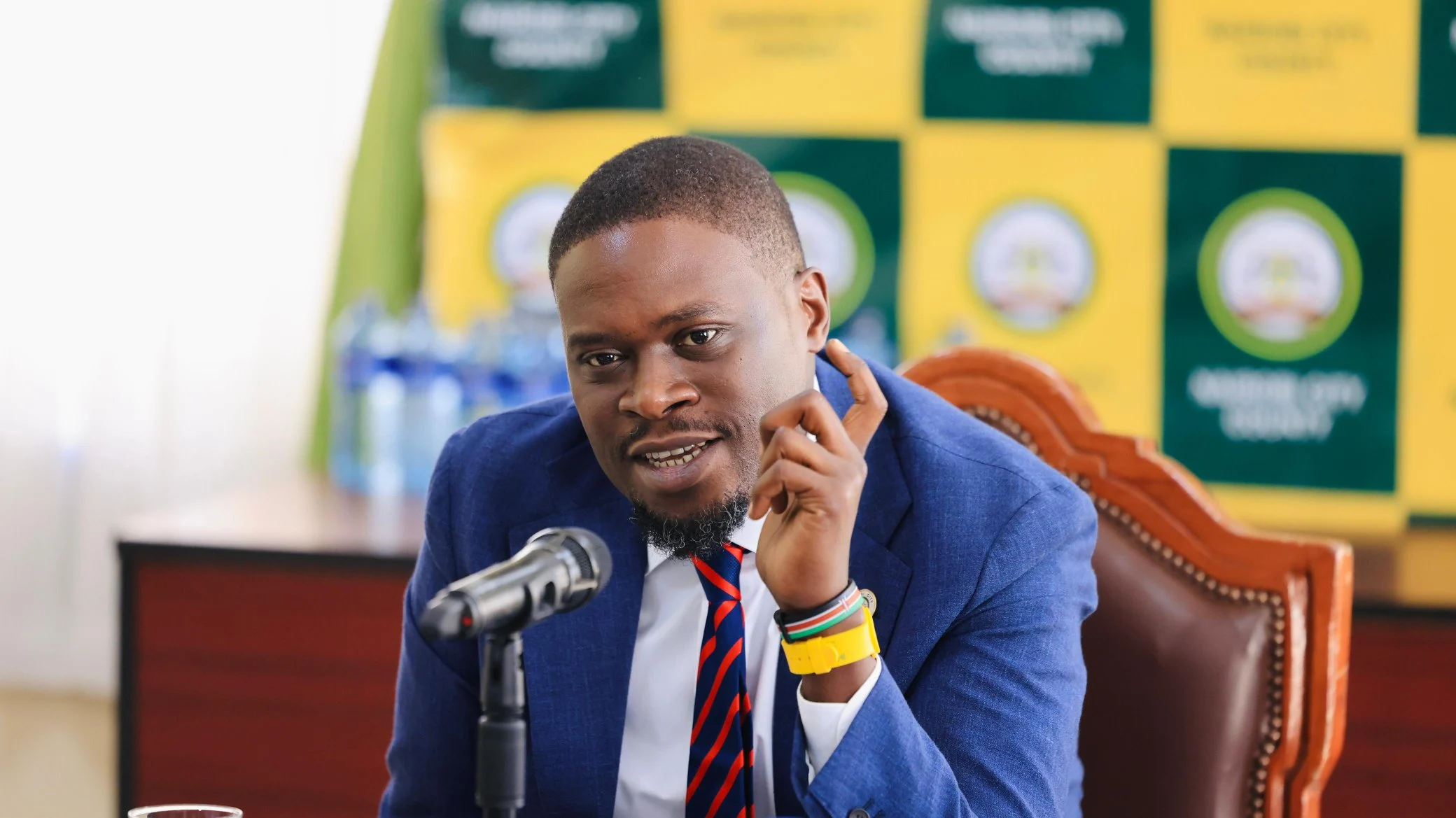
Nairobi Governor Johnson Sakaja sparked widespread online reactions after making a tongue-in-cheek remark suggesting the deportation of performers at the Gabzy x Asake Tukutane concert, following the withdrawal of Kenyan music collective Kodong Klan.
Comment That Lit Up Social Media
The governor’s comment came in response to Kodong Klan’s public statement confirming they would not perform at the event. Reacting in Swahili on social media, Sakaja joked that those saying “Ngwe” could be deported—a remark many users interpreted as humour rather than a serious threat.
The comment quickly drew mixed reactions, with some netizens laughing it off while others joined in with playful rebuttals, turning the exchange into a viral moment.
Online Reactions Take Centre Stage
As the discussion unfolded, the focus shifted from the concert itself to Sakaja’s online presence, with comment sections filling up with memes, jokes, and light-hearted commentary. The banter soon became the dominant narrative across social platforms.
Why Kodong Klan Withdrew
Behind the humour, Kodong Klan’s withdrawal highlighted deeper concerns within the creative industry. In a detailed statement, the group cited repeated changes to agreed terms and what they described as a pattern of disrespect during event preparations.
“Key commitments that were agreed upon before contracts were signed were repeatedly ignored or altered,” the collective said, adding that efforts to resolve the issues in good faith were unsuccessful.
The group further claimed that tensions escalated during soundcheck, alleging interference from another artist’s team and limited intervention from event organisers. They said performing under such circumstances would risk normalising mistreatment within the industry.
Organisers Respond
Concert organisers later confirmed that Kodong Klan had officially been removed from the performance lineup.
A Wider Conversation
While Sakaja’s remark injected humour into the moment, the incident has reopened broader conversations about artist treatment, professionalism in event management, and the role of public figures in shaping online narratives during cultural flashpoints.
For many observers, the episode illustrates how quickly light-hearted commentary can overshadow serious industry concerns, even as unresolved issues continue to simmer beneath the surface.