










Good news for Kenyan motorists and households could be on the horizon, as international oil prices tumbled below Sh10,800 per barrel following a breakthrough in US-Iran peace talks. The proposed agreement, which aims to reopen the strategic Strait of Hormuz, has sparked hopes of stabilizing fuel costs that have squeezed citizens’ budgets for months.
The international benchmark, Brent crude, fell more than five percent to $82.84 (approximately Sh10,736) per barrel on Monday, extending losses from the previous trading session. By early Tuesday, prices remained below the Sh10,900 mark as markets awaited more details of the accord.
The potential deal, which Pakistan has been mediating between Washington and Tehran, is expected to be formally signed in Switzerland on Friday, June 19. US President Donald Trump signaled that the free flow of oil from the Persian Gulf would resume once the agreement takes effect—a move that could ease global supply constraints.
Why this matters to Kenyans
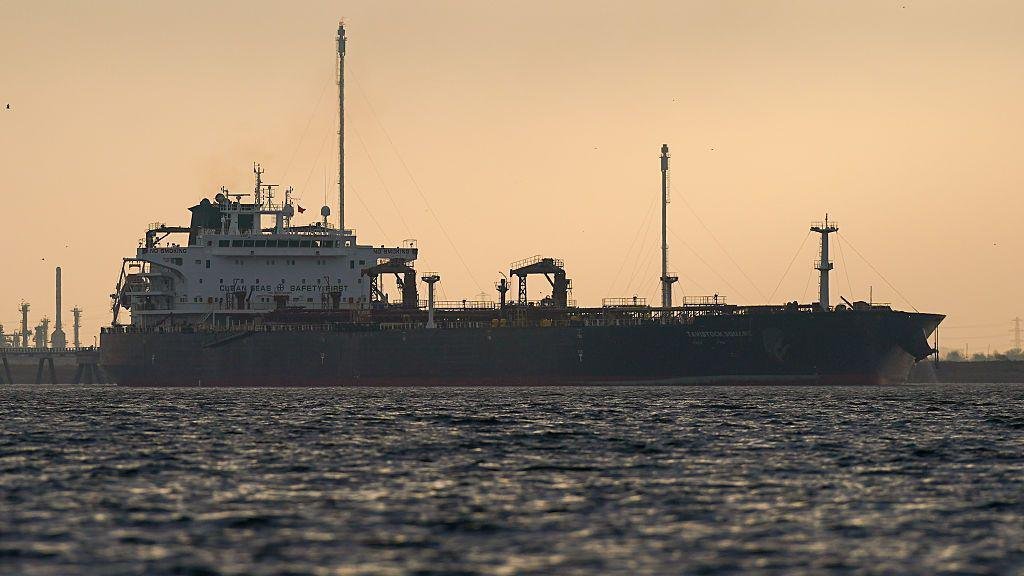
The Strait of Hormuz is a critical chokepoint for global energy shipments, handling roughly 20 percent of the world’s oil and liquefied natural gas. Its effective closure since late February, following US and Israeli airstrikes on Iran, sent shockwaves through energy markets. Iran had threatened to target vessels using the waterway, pushing Brent crude from a pre-conflict level of about $70 (Sh9,071) to nearly $120 (Sh15,550) per barrel at the peak of the crisis.
For Kenya, which imports all its petroleum products, those price spikes translated directly into higher pump prices, increased transport costs, and more expensive goods and services. Any sustained drop in global oil prices could offer relief to consumers who have borne the brunt of rising inflation.
Cautious optimism
While markets have reacted positively, uncertainty remains. Neither Washington nor Tehran has released the full memorandum of understanding, and analysts warn that a lack of clarity could keep prices volatile.
Vandana Hari, founder of energy markets analysis firm Vanda Insights, noted that the absence of details was “likely to inject unease and uncertainty into the market.”
Iran’s Deputy Foreign Minister Kazem Gharibabadi confirmed on state television that an agreement had been finalized, while Trump posted on social media, “let the oil flow!”—but traders are waiting for concrete action.
Looking ahead
For Kenyan citizens, the coming days will be crucial. If the Strait of Hormuz reopens as anticipated, and oil prices continue to ease, the Energy and Petroleum Regulatory Authority (EPRA) could revise pump prices downward in the next review cycle. This would be welcome news for households, transport operators, and small businesses that have struggled with high fuel costs.
However, analysts caution that markets may remain jittery until the deal is signed and implemented. Citizens are advised to watch for official EPRA announcements on fuel pricing, as any changes will directly affect household budgets.