











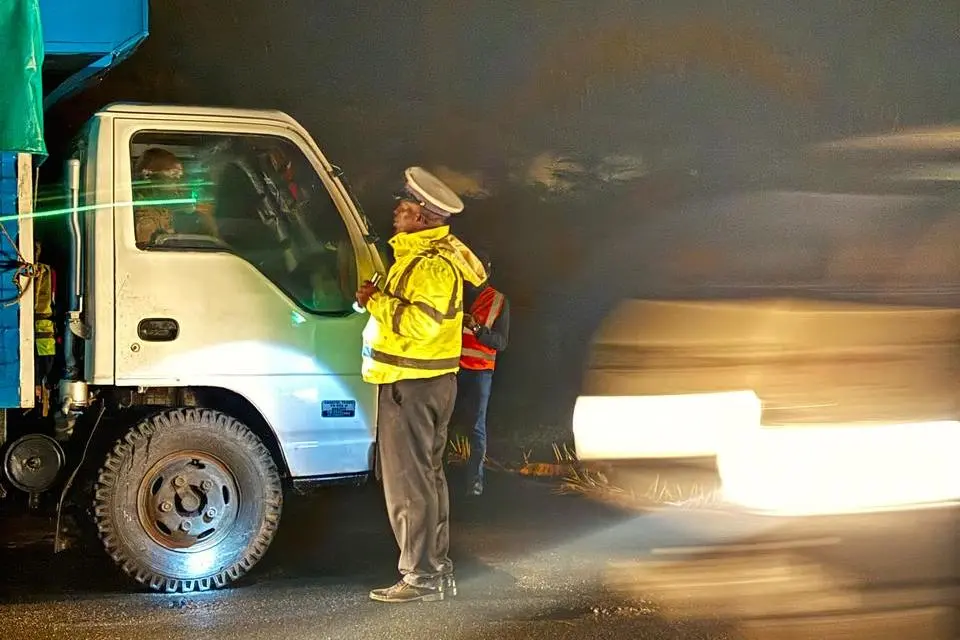
The National Transport and Safety Authority (NTSA) has announced plans to require drivers over 60 years old to renew their licenses annually, accompanied by medical assessments.
Samuel Musumba, NTSA’s Manager for Road Safety Programs, explained on Radio Generation that the change aims to monitor age-related health changes, such as declining vision or slower reaction times, which could affect driving safety.
“Once you hit 60 years, you will be required to renew your license every year and not every three years. We will be asking you for a medical report… it will be a report just like any other,” Musumba said.
The logic behind the proposal aligns with global best practices: regular medical evaluations for older drivers can prevent accidents and protect both drivers and road users.
The Bigger Picture
However, critics note that Kenya’s road safety fundamentals remain deeply flawed. Poorly maintained roads, rampant drunk driving, overloaded matatus, and unroadworthy vehicles contribute far more to road fatalities than drivers simply reaching retirement age.
The NTSA itself has struggled with implementing core programs. For instance, the smart driving license initiative, launched in 2017 with a target of issuing 5 million cards, has delivered only 2.1 million after eight years. Auditor General reports revealed hundreds of thousands of unprinted cards and persistent delays, raising questions about the authority’s capacity to enforce a more complex system.
Implementation Concerns
While the proposal could save lives if executed properly, challenges remain:
- Will medical assessments be accessible and efficiently managed?
- Could corruption undermine the process, with some doctors issuing approvals without proper checks?
- Will annual renewals create unnecessary bureaucracy for older drivers?
The plan has not yet been submitted to Parliament and requires legislative approval and public consultation before becoming law. Until then, it remains a proposal rather than an enforceable regulation.
Priorities Matter
The proposal highlights a tension between intention and practicality. While monitoring older drivers is reasonable, the NTSA’s focus on age-based checks risks overshadowing systemic issues—unsafe roads, poor vehicle standards, and lax enforcement—that are the leading causes of accidents in Kenya.
In the words of many road safety advocates: before adding new requirements, authorities must demonstrate they can handle basic road safety management effectively. Without that foundation, new rules may feel less like life-saving interventions and more like symbolic bureaucratic measures.